Würstlhof
Canederli (Knödel): history, variations and how to eat them in South Tyrol
From stale bread to the symbol of Tyrolean cooking: where canederli come from, the most popular variations and how to enjoy them properly.
If one dish explains South Tyrol better than any guidebook, it is the canederlo. In German it is called Knödel, in Ladin balote, but the idea never changes: nothing is wasted, and yesterday's bread becomes a warm, filling dish.
Born from stale bread
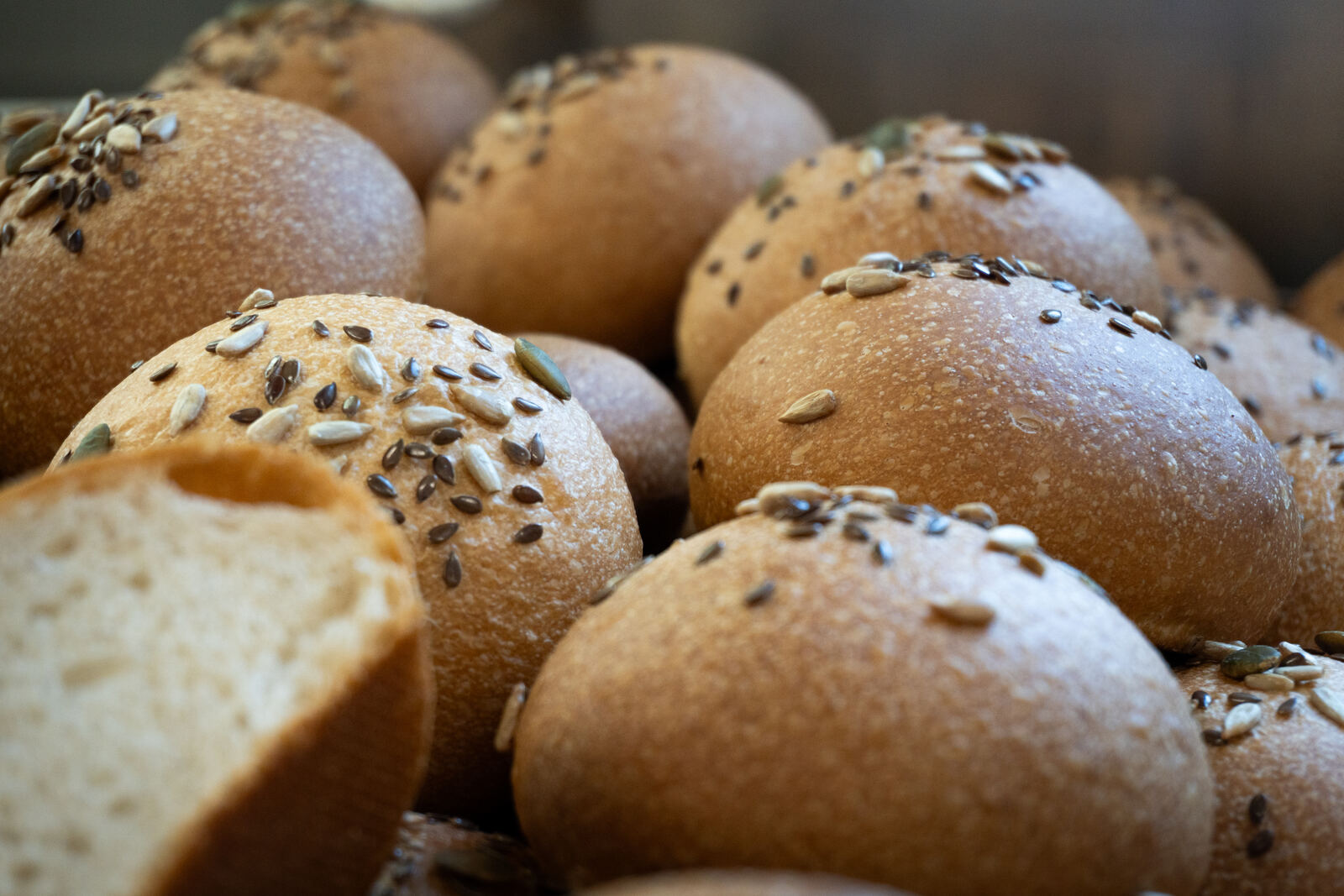
Canederli come from farmhouses where bread was baked only a few times a year and had to last. Soaked in milk and bound with eggs and flour, it became the base for soft dumplings cooked in water or broth. Whatever the pantry offered went in too: a little speck, cheese, herbs from the garden.
Art shows how old they are: in the chapel of Hocheppan Castle near Bolzano, a 13th-century fresco shows a woman tasting a dumpling from a pot. It is one of the earliest known depictions of the dish.
The most popular variations
- With speck (Speckknödel): the classic, with diced speck in the dough.
- With cheese (Käseknödel): with mountain cheese that melts as it cooks.
- With spinach (Spinatknödel): green and delicate, often served with melted butter and Parmesan.
- Sweet: Marillenknödel with a whole apricot inside, rolled in buttery breadcrumbs and sugar.
In broth or dry?
The traditional answer is: both. Speck dumplings are at their best in hot meat broth with a few chives. Cheese and spinach dumplings are often served dry, with melted butter and grated cheese, or with a cabbage salad (Krautsalat) whose acidity balances the richness.
How to recognise a good canederlo
It should be firm but not hard, hold its shape in the broth and, once cut, reveal a soft centre where the bread is still recognisable. The secret is the balance between bread, milk and eggs, and letting the mixture rest before shaping.
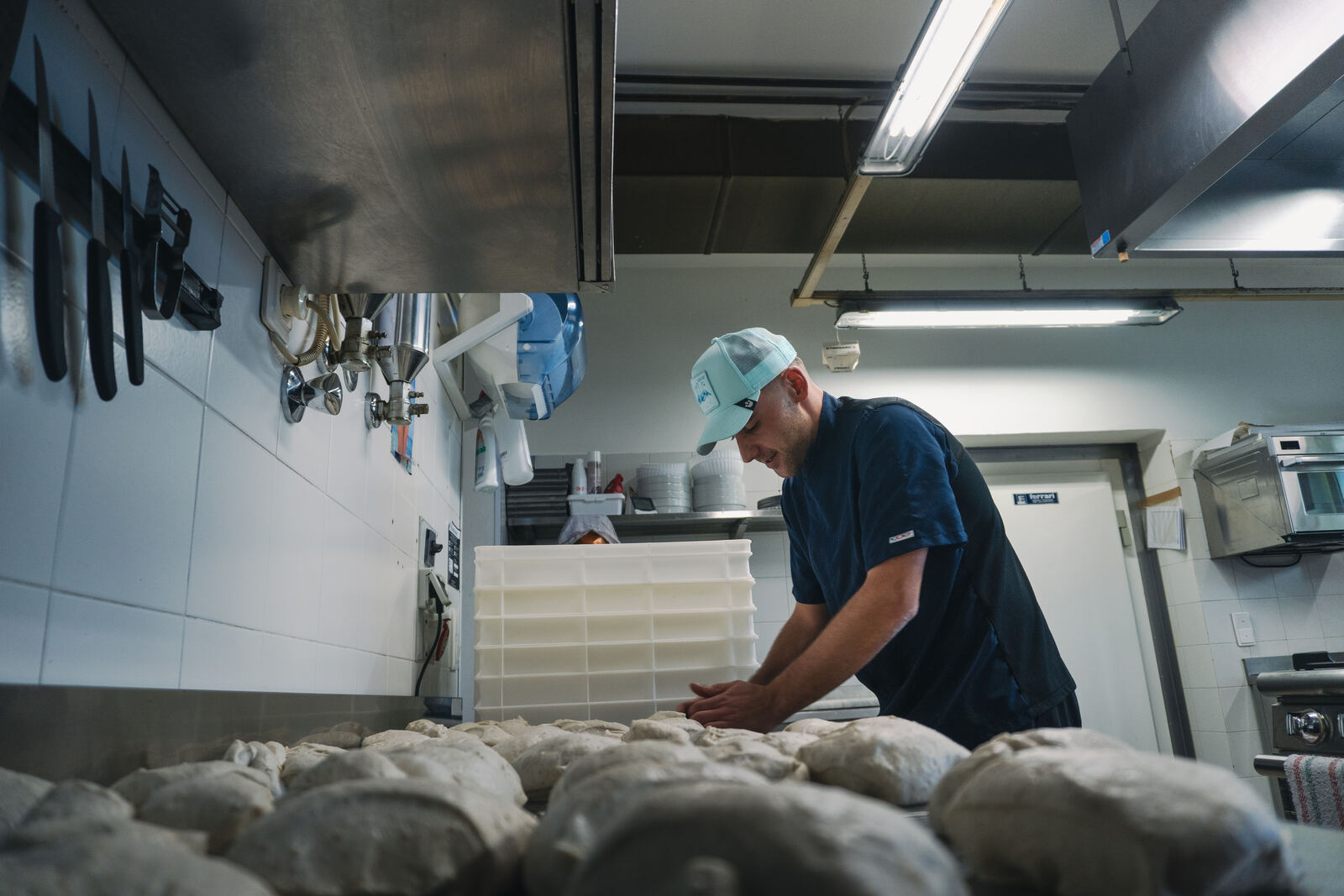
At Würstlhof in Laives, canederli and fresh pasta are made every day in our kitchen, following tradition. The best way to understand what we mean is to taste them.