Officina del Gusto
Croissant or cornetto? The differences and how to spot a handmade one
They look alike but they are not: dough, butter, sugar and shape. Here is what sets the French croissant apart from the Italian cornetto.
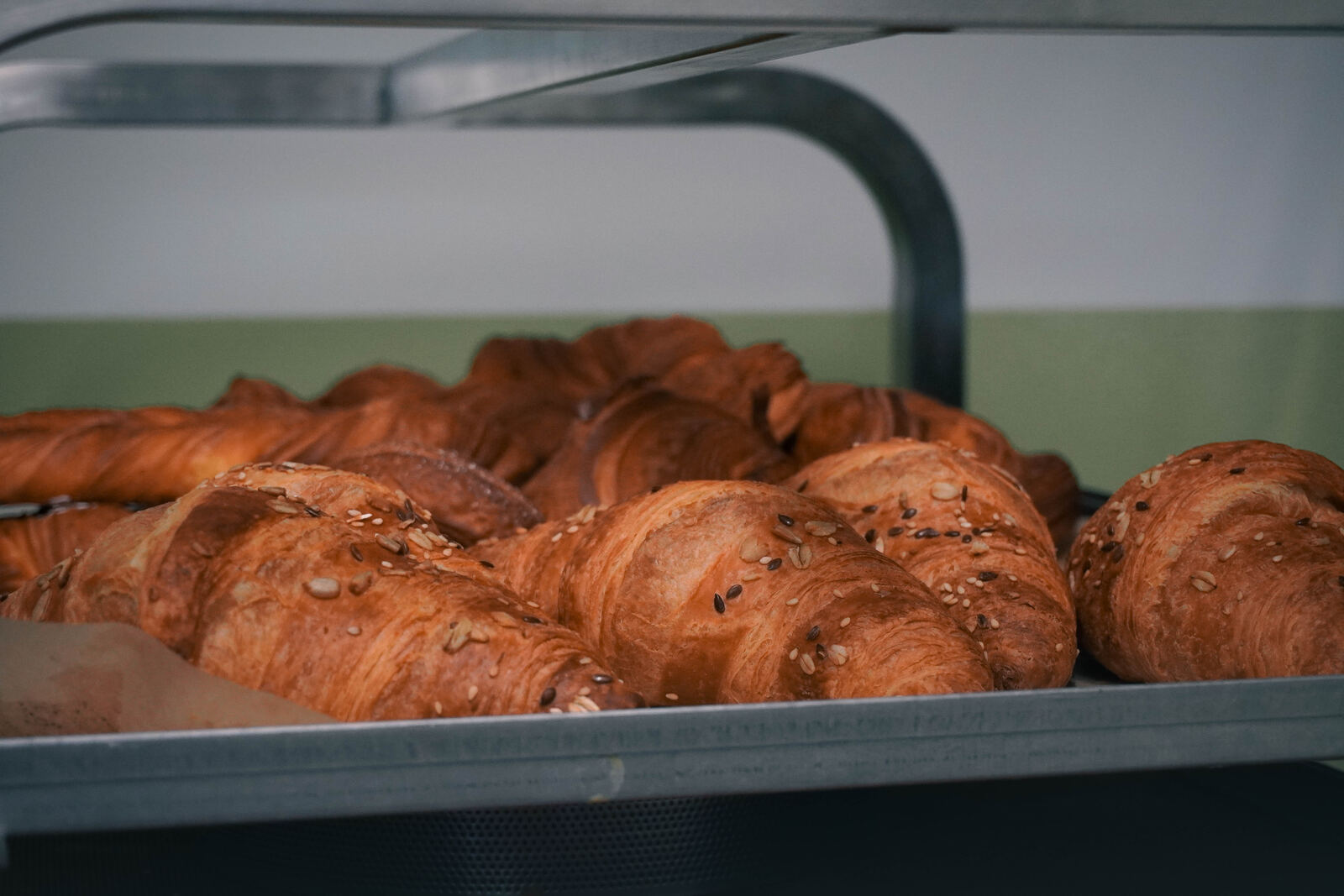
At the coffee bar we often call them the same thing, but the croissant and the cornetto are two different pastries, with different histories and doughs. Knowing them helps you choose and recognise a well-made one.
A common ancestor
Both descend from the Kipferl, a sweet crescent-shaped bread common in Vienna and Central Europe. From Austria the shape travelled to France, where the flaky croissant we know today was born, and to Italy, where it took its own path and became the cornetto.
The main differences
- Dough: the croissant is a laminated yeast dough, folded with lots of butter into many thin layers. The cornetto usually has more eggs and sugar, and is softer and less flaky.
- Fat: the traditional croissant uses only butter. Butter is common in cornetti too, but versions with other fats exist.
- Sweetness: the croissant is lightly sweetened and tastes of butter. The cornetto is sweeter, often scented with vanilla or citrus zest.
- Filling: the French croissant starts plain. The Italian cornetto comes plain or filled with custard, jam, chocolate or honey.
How to spot a handmade pastry
- The inside: cut it and you should see irregular holes, a honeycomb structure, not an even crumb.
- The surface: golden and glossy, with visible layers on the sides that flake a little at the first bite.
- The smell: butter and yeast, not artificial flavourings.
- The shape: slightly irregular. Absolute perfection can be a sign of industrial production.
The secret is time
A good pastry takes hours: the dough rests, is rolled and folded with butter several times, then rises slowly before baking. No shortcut gives the same result.
At Officina del Gusto in San Giacomo the dough is prepared every morning and the cornetti come out of the workshop for breakfast. Drop by and try them with a coffee.