Würstlhof
South Tyrolean Speck PGI: how it is made and how to enjoy it
A little salt, a little smoke and plenty of fresh air: what South Tyrolean Speck PGI is, how it is produced and tips for slicing and pairing.
Among South Tyrol's products, speck is probably the best known. It brings together two traditions: Mediterranean salting and northern smoking. The result is a cured ham with an unmistakable aroma.
What PGI means
Since 1996 South Tyrolean Speck has been a Protected Geographical Indication. The label guarantees that production and maturing take place in South Tyrol under precise rules, with independent checks. You can recognise it by the brand «Speck Alto Adige IGP» or «Südtiroler Speck g.g.A.» on the rind.
How it is made
The producers' motto says it all: a little salt, a little smoke and plenty of fresh air.
- Salting: the boned leg of pork is dry-salted and rubbed with a spice blend that varies by producer, including pepper, juniper, bay leaf and garlic.
- Smoking: done cold, at low temperatures, alternating with periods of airing. The smoke is gentle and should support the flavour, not hide it.
- Maturing: at least 22 weeks in well-ventilated rooms, where the speck develops its texture and outer crust.
How to slice it
To really enjoy it, slice speck thinly, ideally by hand with a sharp knife, across the rind. The farmhouse cut in thick strips is perfect for a board, eaten with your hands and bread.
What goes with it
- Crisp rye bread such as Schüttelbrot.
- Gherkins, fresh horseradish and a mountain cheese.
- A light local red wine or a lager.
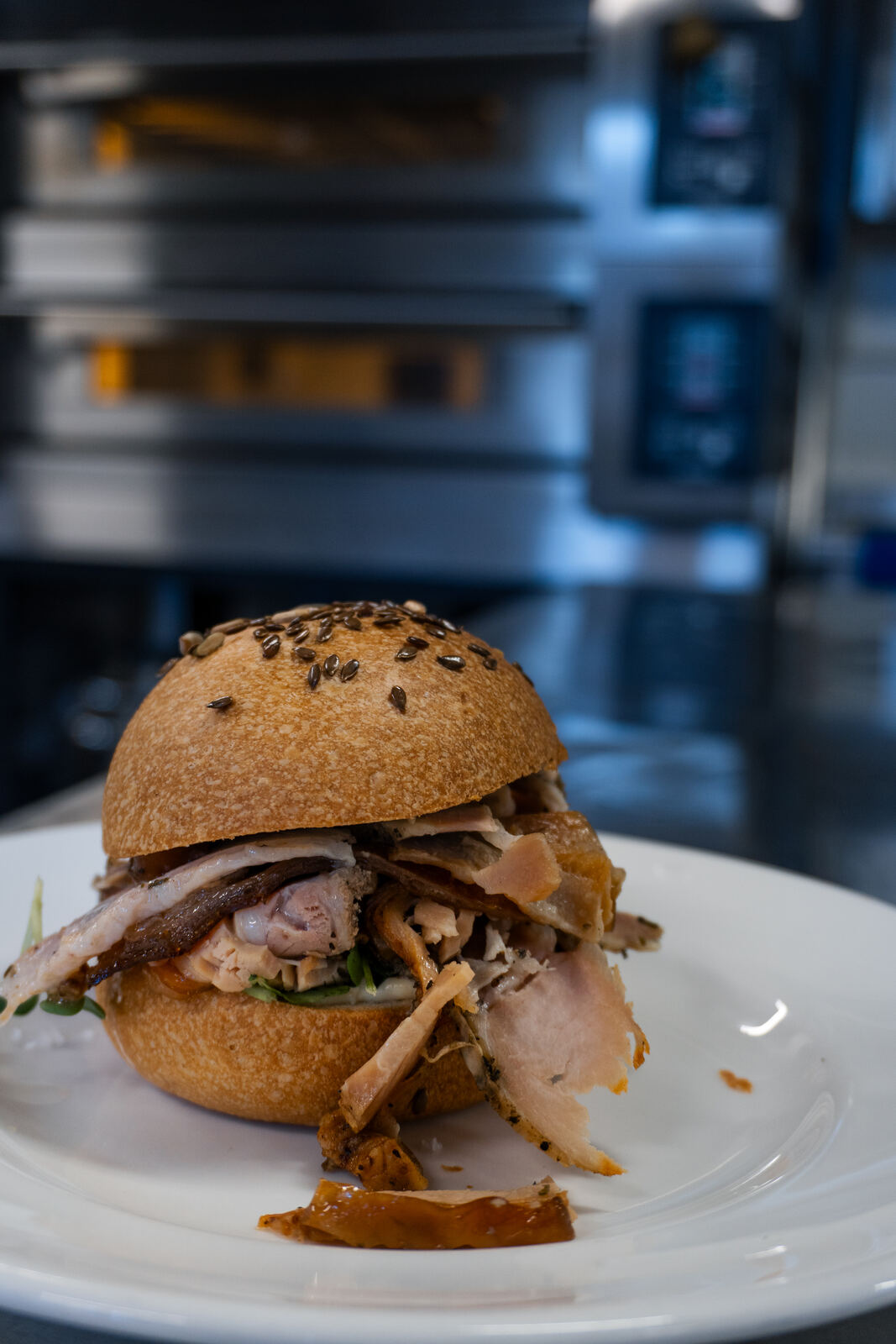
In the kitchen, speck adds character to dumplings, barley soup, risotto and savoury pies.
Keeping it well
Keep a whole piece somewhere cool and dry, wrapped in a cloth. Once sliced, store it covered in the fridge and take it out a few minutes before serving so it regains its full aroma.
At Würstlhof in Laives you will find the authentic flavours of Tyrolean tradition: ask which of the day's dishes feature speck.